
Enhancing Your Understanding of Sports Broadcasting: Insights and Trends
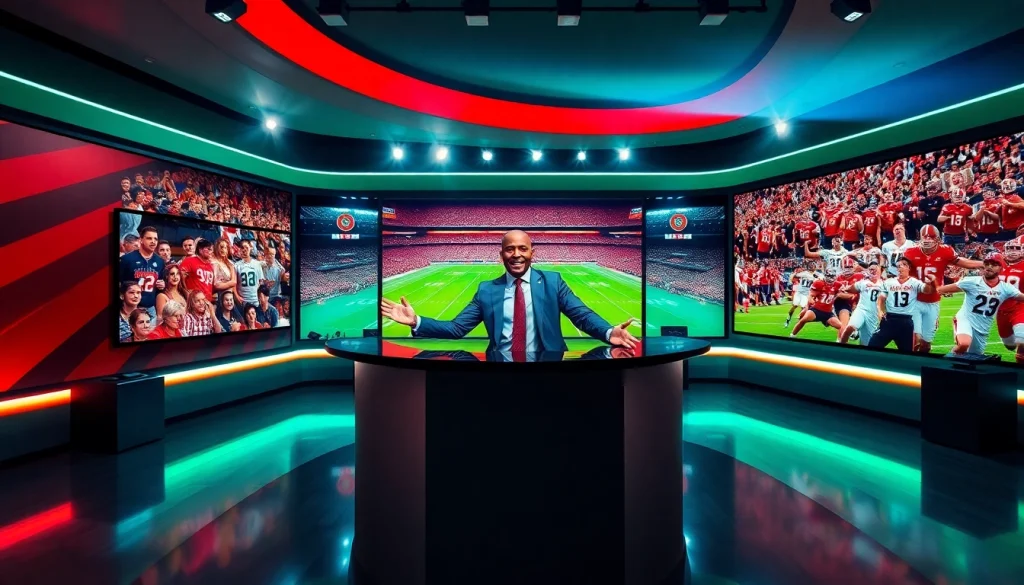
Introduction to Sports Broadcasting
Understanding the Basics
Sports Broadcasting is a dynamic field that disseminates live and recorded sporting events to the public through various media channels, including television, radio, and online platforms. At its core, it serves to bring the excitement of sports to fans, allowing them to experience games in real-time, regardless of location. The industry operates on several key principles, including rights management, content delivery, and audience engagement. Through professional commentary, analysis, and production, Sports Broadcasting transforms ordinary games into compelling viewing experiences.
The journey into Sports Broadcasting begins with understanding its fundamental mechanics. This intricate blend of technology, personnel, and creative storytelling shapes how a sporting event unfolds for the audience. To explore more about the intricacies of Sports Broadcasting, consider examining Sports Broadcasting frameworks.
The Evolution of Sports Broadcasting
The history of Sports Broadcasting can be traced back to the early 20th century, marking a significant transformation in how fans engaged with their favorite sports. Initial transmissions were simplistic radio broadcasts that provided play-by-play coverage of events, capturing the essence of sports in real-time audio formats. The introduction of television in the mid-20th century revolutionized the industry, allowing visual representations of events, thereby enhancing the viewer experience.
Over the decades, advancements in technology and broadcasting techniques, such as the advent of high-definition (HD) and 4K broadcasts, have led to richer experiences. The rise of the internet introduced streaming platforms and digital broadcasts, which expanded the reach and accessibility of sports content to global audiences. As such, understanding the evolution of Sports Broadcasting highlights the industry’s ability to adapt and innovate in response to changing viewer behaviors and technological advancements.
Importance of Sports Broadcasting in Modern Media
Today, Sports Broadcasting is an integral aspect of modern media, offering a unique blend of entertainment, information, and cultural significance. It plays a vital role not just in promoting sports, but also in fostering community engagement and cultural identity. With fantasy sports and real-time updates, broadcasts engage viewers beyond just watching the game, creating interactive experiences that enhance loyalty and viewership.
Moreover, Sports Broadcasting generates vast economic impacts through advertising revenue, sponsorships, and merchandise sales. The ability to monetize broadcasts through various platforms, including traditional cable and digital streaming, further emphasizes the strategic importance of sports in the media landscape, dramatically influencing viewership habits and relationship dynamics with brands.
Key Components of Sports Broadcasting
Technological Innovations
Technological innovations are at the heart of modern Sports Broadcasting, effectively reshaping the consumption of sports contents. From camera designs that enable multi-angle views to drone technologies for aerial footage, advancements in equipment have heightened the quality of broadcast. Additionally, the integration of virtual and augmented reality enriches viewer experiences, allowing fans to immerse themselves in the action regardless of their location.
Another significant innovation is the adoption of analytics tools. These tools help broadcasters collect real-time data to enhance content quality and engage viewers. Analytics can inform on-screen graphics, highlight player statistics during breaks, and even provide interactive elements during broadcasts, creating a more vibrant viewing atmosphere.
Role of Announcers and Analysts
Announcers and analysts are essential to effective Sports Broadcasting, serving as vital links between events and audiences. They provide context, share insights, and enhance the overall viewing experience through their expertise. Announcers typically deliver play-by-play commentary, creating a narrative thread of the game’s developments, while analysts break down plays, strategies, and individual performances to offer a deeper understanding of the event.
As key personalities, their rapport with the audience establishes trust and loyalty. The effectiveness of their delivery style, knowledge of the sport, and ability to engage viewers with relevant stories can significantly impact viewer retention rates. Engaging and knowledgeable commentators help to create an enjoyable atmosphere that adds value to the broadcast.
Production Elements That Grab Attention
A successful broadcast relies on numerous production elements that seize viewers’ attention. The use of graphics, replays, sound effects, and even crowd interactions serves to create an emotional connection during the viewing experience. Quality production techniques, such as advanced lighting and camera placements, enhance the visual appeal and help convey the energy of live sports.
Additionally, the strategic use of advertisements and sponsorship integrations further enriches broadcasts, offering viewers continuous engagement while also supporting the financial viability of the broadcast. By creating visually stunning and immersive experiences, these production elements play a pivotal role in captivating audiences and encouraging them to participate actively in the viewing experience.
Challenges in Sports Broadcasting
Managing Viewer Engagement
In an age where viewer attention is fragmented among numerous entertainment options, managing viewer engagement poses a significant challenge in Sports Broadcasting. To capture and retain audience interest, broadcasters must continuously innovate and offer compelling content that resonates with viewers. This often involves tailoring programming based on viewer preferences, utilizing social media for interaction, and leveraging on-demand content strategies.
This need for engagement drives the importance of understanding audience analytics, as broadcasters can create personalized viewing experiences that align with viewer tastes and engagement patterns, ultimately driving higher loyalty rates.
Adapting to New Technologies
The rapid technological evolution presents both opportunities and challenges for Sports Broadcasting. As new platforms such as mobile apps and smart TVs gain traction, broadcasters must quickly adapt their strategies to ensure that coverage remains accessible and engaging irrespective of the medium. This need for constant adaptation increases operational complexities but also offers new revenue streams through digital advertising and partnerships.
Furthermore, cybersecurity challenges related to streaming services and digital rights management necessitate a proactive approach. Ensuring content is secure while simplifying viewer access is a delicate balance that broadcasters must manage effectively.
Legal and Ethical Concerns
Legal and ethical concerns loom large in Sports Broadcasting, particularly regarding copyright issues, player privacy rights, and the integrity of sports. Navigating the complexities of broadcasting rights and ensuring compliance with laws can be daunting, especially as new streaming options proliferate. Broadcasters must remain vigilant, fostering ethical practices while ensuring that they protect their investments and that of other stakeholders.
Additionally, ethical dilemmas such as the representation of athletes, commercial pressures affecting broadcasting decisions, and ensuring unbiased commentary complicate the landscape further. As the industry navigates these challenges, transparency and ethical decision-making will remain crucial for maintaining trust and integrity in Sports Broadcasting.
Best Practices in Sports Broadcasting
Creating Compelling Content
At the core of successful Sports Broadcasting is the creation of compelling content that resonates with fans. Broadcasters should focus on storytelling elements that enhance the narrative quality of sports events. Crafting relatable stories about athletes, teams, and fan experiences not only builds excitement but also fosters emotional connections between viewers and the sporting event.
Utilizing highlights, player interviews, and behind-the-scenes footage can make broadcasts more engaging. Broadcasters should also seek viewer feedback, adapting content strategies based on audience reception to create tailored experiences that enhance viewer satisfaction.
Effective Audience Interaction
In an increasingly interactive media landscape, effective audience interaction is essential to building a loyal viewer base. Social media platforms serve as powerful tools for engagement, allowing broadcasters to facilitate dialogue with their audiences in real time. Integrating polls, live Q&A sessions, and commentary via social media can enhance the viewing experience by making fans part of the conversation.
Additionally, using gamification strategies, such as contests or fantasy leagues, can foster a sense of community among viewers, not only making them more likely to tune in but also increasing loyalty to the brand itself.
Utilizing Analytics for Improvement
Analytics should be at the forefront of every Sports Broadcasting strategy. By employing data analytics tools, broadcasters can gather insights into viewer demographics, preferences, and behavior, thereby optimizing content efforts to better align with viewer interests. Analyzing data from various platforms enables sports networks to refine broadcasts, emphasizing the elements that matter most to their audiences.
Additionally, utilizing performance metrics enhances strategic decisions around content, marketing, and partnerships, promoting continual improvement and adaptation. By fostering a culture of data-driven decision-making, broadcasters can ensure long-term viability and relevance in an ever-changing landscape.
The Future of Sports Broadcasting
Trends to Watch
The future of Sports Broadcasting is poised to be shaped by several emerging trends, including the rise of personalized content, augmented reality experiences, and subscription-based services. Personalized content will cater to individual fan preferences, enhancing engagement and loyalty by offering tailored experiences.
Augmented and virtual reality technologies will further transform how fans experience sports, allowing them to engage in immersive environments that feel more intimate and interactive. Broadcasters who embrace these technologies will likely secure their positions as leaders in the industry.
Impact of Streaming Services
Streaming services are redefining Sports Broadcasting by altering how content is consumed. The shift from traditional cable to online platforms emphasizes flexibility, with viewers demanding access to sports content anytime, anywhere. This evolution is compelling networks to explore exclusive digital rights deals and create unique streaming experiences that engage modern fans while addressing the fragmentation challenge.
Moreover, advertising models based on streaming platforms will shift, prioritizing targeted analytics over traditional demographic-based approaches. This transition will necessitate adaptability in strategies to ensure effective monetization while meeting viewer expectations.
Preparing for the Next Generation of Fans
The next generation of fans, which includes younger audiences who have grown up with digital and interactive media, presents both challenges and opportunities. Broadcasters must understand this audience’s unique preferences, integrating interactivity and fast-paced content delivery into their strategies to effectively engage them.
Investing in educational programming that appeals to younger audiences, along with interactive campaigns that leverage their participation, can set the stage for lasting relationships with new fans. Prioritizing inclusivity and diversity in content will resonate with the values of the emerging fan demographic, creating broader acceptance and loyalty.
FAQs about Sports Broadcasting
What is Sports Broadcasting?
Sports Broadcasting refers to the distribution of live or recorded sporting events to audiences via various media, including television, radio, and digital platforms.
How has technology impacted Sports Broadcasting?
Technology has revolutionized Sports Broadcasting by enhancing visual quality, enabling real-time analytics, and facilitating interaction through streaming platforms and social media.
What role do announcers play in broadcasting?
Announcers provide play-by-play commentary and insights during broadcasts, enhancing the viewer experience and building a connection between the audience and the event.
What challenges do sports broadcasters face today?
Key challenges include engaging viewers in a fragmented media landscape, adapting to new technologies, and navigating legal and ethical issues surrounding broadcasting rights.
What are best practices for engaging viewers?
Best practices include creating compelling content, fostering effective audience interaction through social media, and utilizing analytics to refine broadcast strategies based on viewer preferences.